Food · Growing
Growing food from soil, water, and light.
A raised bed in the yard, a hydroponic tower on the patio, a mushroom kit under the counter. Every method here turns a household into a producer, not just a buyer. Start wherever your space and season allow.
By Dan Whelan, founder of New World Survival
Researched from government agencies, university extension services, and other published sources. See our sources
Why grow
The first harvest changes the math.
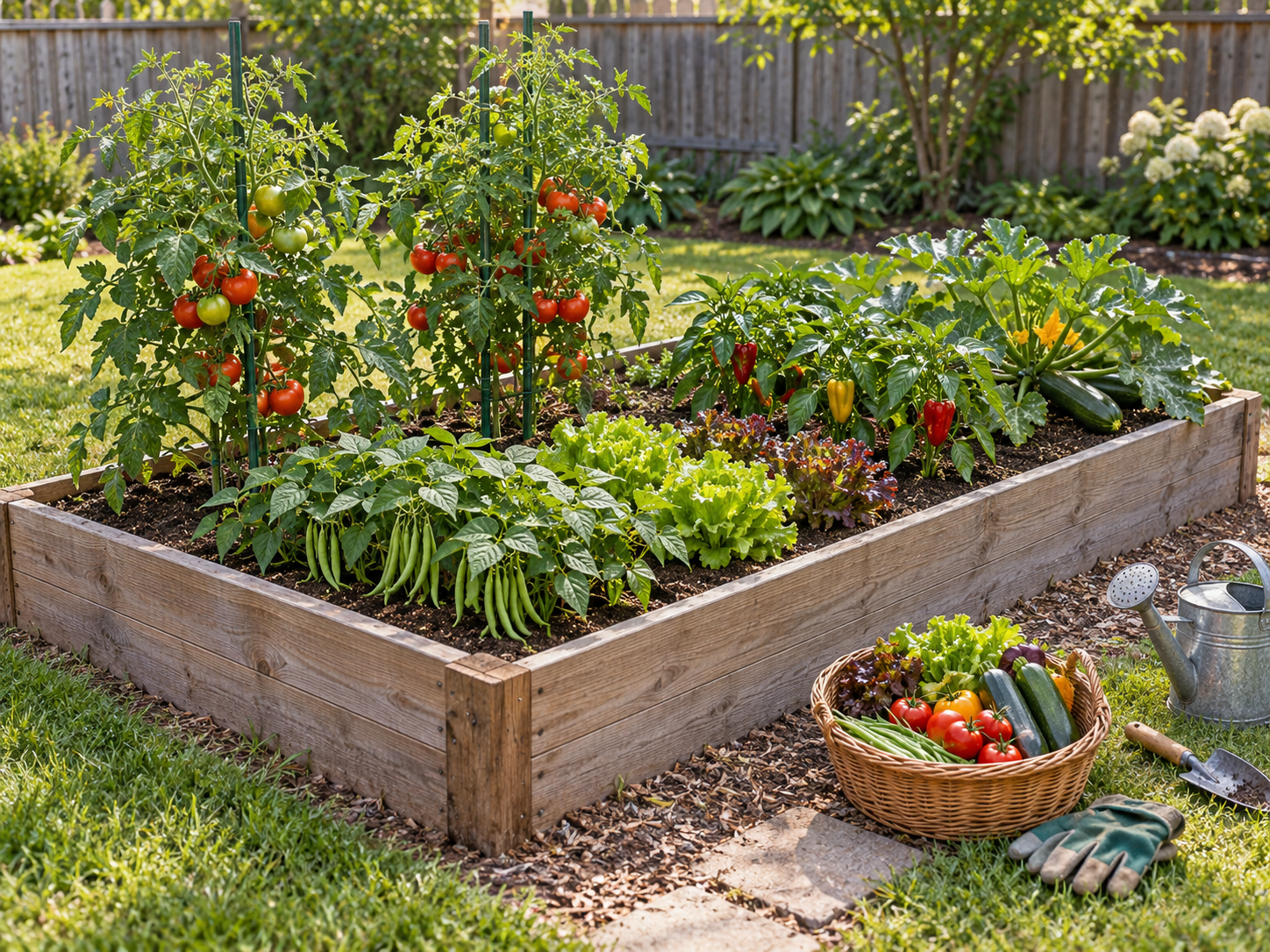
A 4x8 raised bed costs $50 to $150 to build and fill with soil. It produces 30 to 60 pounds of food per season. A countertop mushroom kit costs $25 and yields a pound of oyster mushrooms in two weeks. A basic hydroponic setup grows lettuce and herbs year-round in a closet. The entry points vary, but the principle is the same: a household that produces even a fraction of its own food has a capability that no amount of grocery spending replaces.
The real return is not the cost savings. It is the skill. A household that grows food for two seasons has learned to read soil or solution, time a planting or a harvest cycle, and manage the surplus. Those capabilities feed directly into preservation, cooking, and long-term storage.
Start small. One bed, one kit, one system. The mistake is overcommitting in year one and giving up by August. Every guide here is sized to a realistic first attempt.
The guides
Every growing method, by category.
Fifteen guides across four groups. Gardens, orchards, greenhouses, and soilless systems. Start with core gardening if you are new; jump to specialized growing, soil, or alternative systems if you already have something in the ground.
Core gardening
Plan, plant, manage, repeat
The sequence a new grower follows from first bed through ongoing seasons.
Your first garden
Planning a 4x8 bed for your climate zone. Soil, seed selection, succession planting, and getting an actual harvest in year one.
First garden guide →
Vegetable gardening
Choosing your growing space, soil preparation, seeds versus starts, composting basics, and propagation. The broader foundation for ongoing seasons.
Vegetable gardening guide →
Managing your garden
Watering and irrigation, pest management, crop rotation, season planning, and harvest timing. The ongoing work that keeps a garden productive.
Garden management →
Seasonal garden prep
Spring startup, summer maintenance, fall cleanup, and winter planning. The annual cycle that keeps a garden productive year after year.
Seasonal garden prep guide →
Specialized growing
Specific crops and spaces
Herbs, fruit trees, berries, containers, and greenhouses. Each guide covers one growing system from setup through first harvest.
Herb gardening
Culinary herbs from a windowsill or a raised bed. Annual versus perennial, soil and sun needs, harvesting for continuous growth.
Herb gardening guide →
Fruit trees
Selecting varieties for your climate, planting and establishing trees, the three-year patience requirement, and integrating fruit into a canning practice.
Fruit tree guide →
Berry cultivation
Strawberries, blueberries, and raspberries for a home yard. Soil pH, cross-pollination, pruning, and protecting the harvest.
Berry cultivation guide →
Container gardening
Growing vegetables on a patio, balcony, or doorstep. Which containers, soil mixes, and crops work best in limited space.
Container gardening guide →
Greenhouse gardening
Extending the growing season with a greenhouse or cold frame. Ventilation, heat management, and year-round growing schedules.
Greenhouse gardening guide →
Soil and seed
What feeds the garden and carries it forward
Building soil fertility and saving seed. The long-term investments that make a garden self-sustaining.
Seed saving
Which crops are easiest to save seed from, dry versus wet-seed methods, avoiding cross-pollination, and storage that keeps seed viable for years.
Seed saving guide →
Composting
Turning yard and kitchen waste into soil. Hot versus cold methods, carbon-to-nitrogen ratio, and the timeline from scraps to finished compost.
Composting guide →
Worm farming
Vermicomposting kitchen scraps into rich castings for the garden. Bin setup, feeding, harvesting, and common problems.
Worm farming guide →
Alternative systems
Soilless and indoor growing
Growing food without traditional garden beds. These systems trade higher setup costs for year-round production in limited or indoor spaces.
Hydroponics
Growing vegetables in nutrient solution instead of soil. System types, mixing the solution, and the corrosive chemicals in every pH kit.
Hydroponics guide →
Aquaponics
A fish tank and a plant bed plumbed into one loop. System types, cycling a tank safely, and the tilapia permit question most guides skip.
Aquaponics guide →
Mushroom cultivation
Oyster and shiitake mushrooms grown from cultivated spawn, indoors on kits or outdoors on logs. Distinct from wild foraging.
Mushroom cultivation guide →
Where it leads
Production feeds the whole arc.
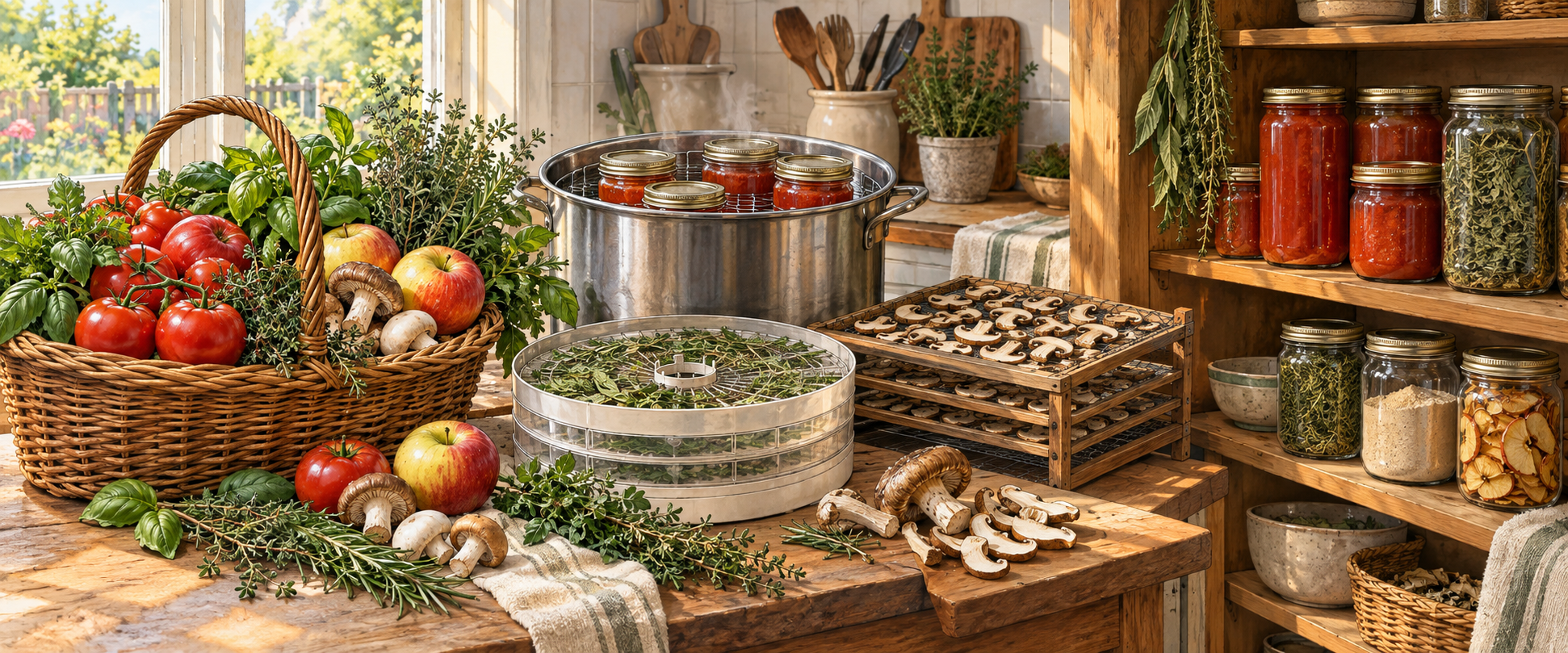
Growing food creates a surplus, and a surplus creates a reason to learn preservation. Tomatoes from July become canned sauce for December. Herbs from September become dried jars that last all winter. Mushrooms harvested on Tuesday become a dried powder that flavors soups for months. A fruit tree planted this year feeds the canning practice three years from now.
That is the design of the Food section. Growing is not a standalone project. It is the first link in a chain that runs through every other cluster: preservation, cooking, storage, and the traditional food crafts that turn raw ingredients into finished products.
Your next step
Pick a path. Start this season.
Never grown food before
One bed, five crops, one season of practice. The first garden guide walks you from planning through harvest without overwhelming you.
Your first gardenAlready growing
If you have a bed in the ground and want to improve your system, the garden management guide covers irrigation, pest control, rotation, and timing.
Garden management