Shelter · Pests & Wildlife
Pests After a Disruption
Storms, floods, and power outages create conditions that pests exploit: standing water, exposed food, structural damage, and displaced wildlife. Here is what happens and what to do about it.
By Dan Whelan, founder of New World Survival
Researched from government agencies, university extension services, and other published sources. See our sources
A disruption does not create new pest species. It creates the conditions they thrive in: standing water that breeds mosquitoes, structural damage that opens entry points, spoiled food that attracts flies and rodents, and displaced wildlife that seek shelter in the nearest available structure. Every factor that normally keeps pests manageable can shift at once.1, 2
This page covers the pest problems that follow storms, floods, extended power outages, and other household disruptions, along with the steps you can take during recovery to prevent a temporary problem from becoming a lasting infestation. It connects the prevention principles from the rest of the Pests and Wildlife section to the specific conditions that disruptions create.
Pest management during recovery competes with every other urgent need: water damage, debris removal, insurance claims, and getting daily life back on track. The steps here are prioritized by urgency and designed to integrate with the work you are already doing.
Mosquitoes after flooding
Flooding activates mosquito eggs that were laid in soil during previous floods. These floodwater mosquitoes hatch in large numbers within days of the water receding. The CDC notes that while these initial swarms are primarily nuisance mosquitoes that do not typically spread disease, the species capable of transmitting viruses like West Nile may increase two weeks to two months after a hurricane, particularly in areas that received heavy rainfall but did not experience direct flooding.3
Eliminate standing water immediately
Walk the property and dump, drain, or cover every container holding water. This is the same weekly practice from the mosquitoes and ticks guide, but it becomes urgent after a storm because new water sources appear everywhere: overturned furniture, clogged gutters, tarps, damaged equipment, and debris.
Protect yourself during outdoor recovery work
Use EPA-registered insect repellent. Wear long sleeves and pants even in warm conditions. Recovery work after a storm often happens during peak mosquito hours (dusk and dawn) because that is when temperatures are bearable. Repellent is a practical necessity, not an afterthought.3
Screen windows and doors
When power is out and air conditioning is unavailable, windows and doors are often left open. Repair or replace damaged screens before opening them. If screens are unavailable, use mosquito netting over sleeping areas at night.
Displaced wildlife
Floods and storms displace animals from their normal habitat. Rodents, snakes, raccoons, and other wildlife may seek shelter in structures, especially homes with storm damage that has created new entry points. The CDC advises taking steps to prevent contact with displaced rodents and wildlife during recovery.4
Inspect before entering closed spaces
Before entering a flooded basement, damaged crawlspace, shed, or outbuilding, look and listen for signs of animal presence. Snakes in particular may seek high ground inside structures during flooding. Open doors carefully and allow animals a path to leave before entering.
Cover storm-damaged openings
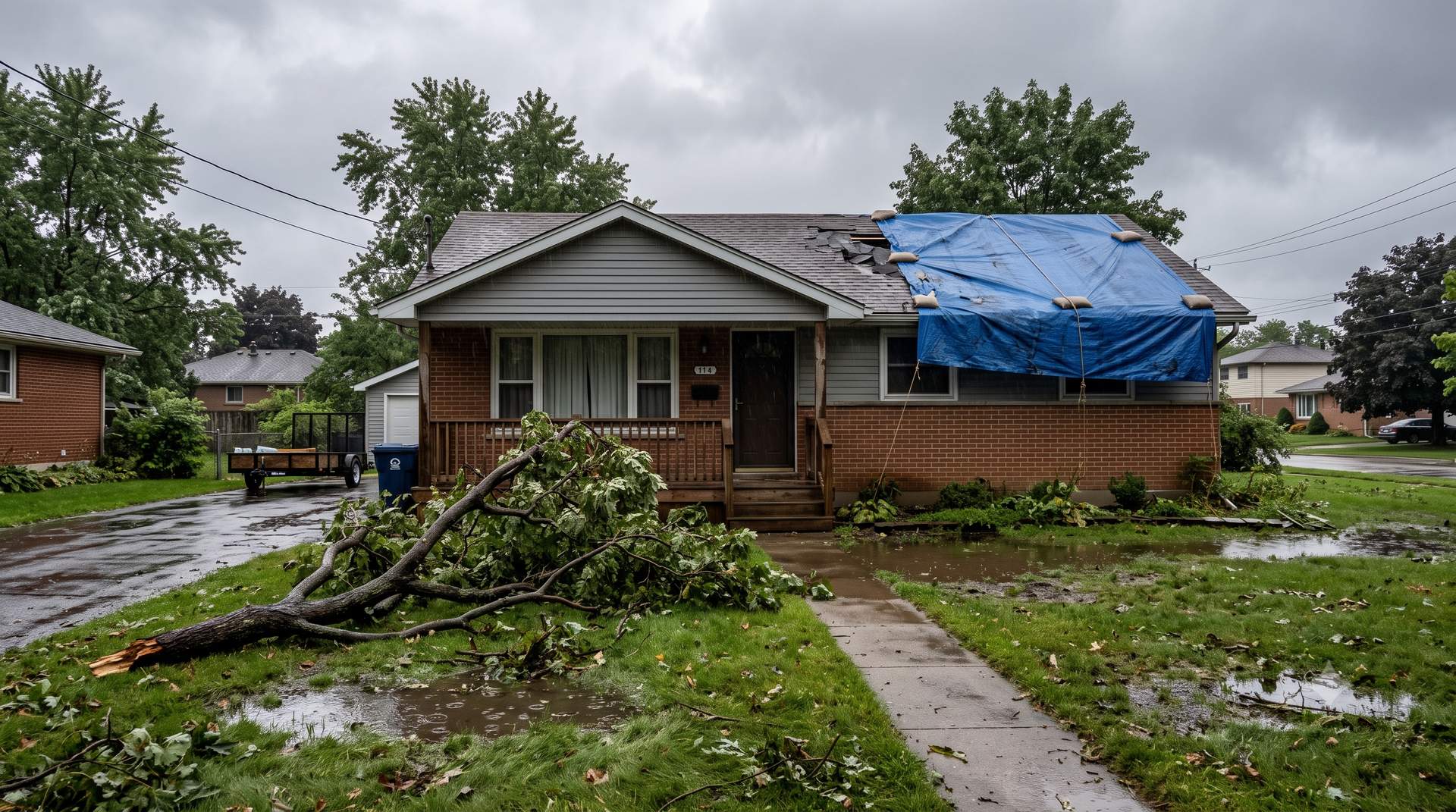
Wind damage to soffits, shingles, vents, and siding creates entry points that did not exist before the storm. Cover damaged openings temporarily with tarps or hardware cloth until permanent repairs are possible. Prioritize roofline and attic damage, as these are the most common entry paths for raccoons, squirrels, and bats.2
Do not handle wildlife
Displaced animals are stressed and may behave unpredictably. Do not attempt to handle, trap, or relocate them. Raccoons, skunks, bats, and foxes are rabies vector species. Contact animal control or a licensed wildlife removal professional for animals inside your home.4
Secure food and trash
Displaced wildlife is hungry and will investigate any accessible food source. Trash bags stacked on the ground attract raccoons, skunks, stray dogs, and rodents. Use sealed containers with lids for all food waste during recovery.1
Power outages and spoiled food
Extended power outages cause food in refrigerators and freezers to spoil. Spoiled food left sitting in a powerless home attracts flies and maggots within hours, and rodents shortly after. The pest problem compounds the food safety problem.2
Dispose of spoiled food promptly
Do not leave spoiled food in an unpowered refrigerator or freezer. Bag it in sealed trash bags and place it in a lidded outdoor container. The longer it sits, the faster it attracts pests.
Secure outdoor food waste
After a storm, normal trash collection may be delayed or disrupted. Food waste accumulates. Use the most secure containers available. If trash cans are damaged, double-bag food waste and store it as far from the house as practical until collection resumes.
Protect remaining food supplies
Shelf-stable food, dry goods, and emergency supplies should be in sealed, rigid containers (glass, metal, or heavy plastic). If rodent activity is suspected, inspect stored food for gnaw marks and droppings before consuming. See the rodent-proofing guide for food storage details.
Structural damage as pest entry
Storm damage that compromises the building envelope is also pest damage waiting to happen. Lifted shingles, torn soffits, broken vent covers, and cracked siding all become entry points. Water damage softens wood, creating attractive conditions for termites and carpenter ants. The same inspection you do for structural recovery should include a check for new pest entry points.2
Inspect the roofline and attic
Check for missing or lifted shingles, damaged fascia, torn soffit panels, and displaced vent covers. These are the most common post-storm entry points for wildlife and insects. Cover gaps temporarily with hardware cloth or tarps until repair.
Check the foundation and crawlspace
Flood damage can shift foundation skirting, displace crawlspace vent covers, and wash debris under the house. Inspect and re-secure crawlspace openings. Remove any wood debris deposited by flooding, as it provides food for termites.
Address water damage promptly
Water-damaged wood, carpet, insulation, and drywall create breeding grounds for flies, mold, and conditions that attract termites and carpenter ants. NC State Extension notes that water-soaked carpeting, furniture, and insulation can produce fly populations within 7 to 10 days.1 Remove and dispose of water-damaged materials as quickly as possible.
Check septic and sewer lines
Storm damage can break sewer lines and septic system components, attracting drain flies, moth flies, and other small flies. If you notice unusual fly activity indoors after a storm, check your septic system and crawlspace plumbing for damage.1
Priority order during recovery
Pest management during recovery is not a separate task. It integrates with the work you are already doing. Here is how it layers into the recovery sequence:
First 24 hours
Dispose of spoiled food in sealed bags. Secure trash in lidded containers. Cover obvious structural openings with tarps or hardware cloth. Apply insect repellent before outdoor work.
First week
Eliminate all standing water on the property. Remove water-damaged carpet, insulation, and furnishings. Inspect and repair window and door screens. Walk the foundation for new gaps.
First month
Complete permanent repairs to roofline, soffits, vents, and siding. Re-seal any entry points that were temporarily patched. Check for signs of new pest activity (droppings, gnaw marks, nesting material). If termite or carpenter ant signs appear in water-damaged areas, schedule a professional inspection.
Ongoing
Resume the seasonal inspection and maintenance schedule from the exclusion and yard management guides. A disruption often reveals gaps in the building envelope that were not visible before. Use the recovery period as an opportunity to seal them permanently.
Related guides
Exclusion & Sealing
The permanent fix for every entry point a storm reveals.
Mosquitoes & Ticks
Habitat reduction and personal protection for disease vectors.
Rodent-Proofing the Home
Food storage and safe cleanup when displaced rodents leave evidence.
Wildlife Encounters
What to do when displaced wildlife enters your home.
Sources
- NC State Extension Entomology. "Pest Problems After Storms and Other Disasters." entomology.ces.ncsu.edu. September 2019.
- Various pest management and extension sources. Post-storm structural damage as pest entry points. Accessed July 2026.
- CDC. "What to Do After a Hurricane or Flood: Mosquitoes." cdc.gov/mosquitoes/response. December 2024.
- CDC. "What to Do to Protect Yourself From Animals After a Disaster." cdc.gov/natural-disasters/response. Accessed July 2026.