
Home Why Preparedness What Preparedness Is Not

The distinction

What preparedness
is not.

Preparedness is frequently confused with fear, accumulation, survivalism, and isolation. Those things can resemble readiness from a distance, but they do not produce the kind of household capability we are trying to build.

Why the boundary matters

A useful practice can be distorted by the wrong purpose.

Preparedness is easy to misunderstand because many different activities can look alike. Two households may both store food, own backup power equipment, and follow severe-weather forecasts. One may be building a measured margin for ordinary disruptions. The other may be organizing daily life around fear of catastrophe. The supplies are similar. The purpose, scale, and effect on the household are not.

The distinction matters because a practice intended to reduce hardship should not become another source of hardship. Preparedness should make ordinary life steadier. It should not consume the household’s money, attention, relationships, or peace. The following boundaries describe what preparedness means at New World Survival by explaining what lies outside it.

01

It is not survivalism.

Preparedness, as practiced here, is not built on the assumption that civilization will collapse. It does not require bunkers, combat skills, isolation, or an adversarial relationship with neighbors. It does not ask people to treat public institutions as enemies or every stranger as a potential threat. It does not require a particular political identity.

A household can prepare for storms, outages, evacuation, illness, unemployment, supply interruptions, and recovery without making catastrophe the organizing principle of life. Practical preparedness assumes that systems usually work, sometimes fail, and eventually require repair. It helps a household function during the gap.
02

It is not anxiety wearing a useful costume.

Fear can prompt reasonable action. It can also keep a person trapped in endless observation, acquisition, and revision. Someone who spends every evening reading threat reports and recalculating stockpile ratios is not necessarily better prepared than someone who has stored two weeks of water, tested the communication plan, and gone to bed.

The goal is confidence, not vigilance that never rests. Once a sensible provision has been made, it should release attention back to family, work, friendship, worship, recreation, and sleep. Preparedness should serve ordinary life rather than compete with it.

03

It is not an identity.

Preparedness is something you do, not something you are. A person who maintains a pantry, knows how to change a tire, and keeps emergency contacts on paper is not a “prepper” any more than someone who locks the doors is a security expert. Useful habits do not require a label.

When a practice becomes an identity, people may begin acquiring equipment or adopting opinions because those choices appear to belong to the role. Readiness then becomes a performance measured against other people. A household needs no costume, vocabulary, or membership test. It needs capabilities suited to its actual members, home, region, resources, and responsibilities.

04

It is not a purchase.

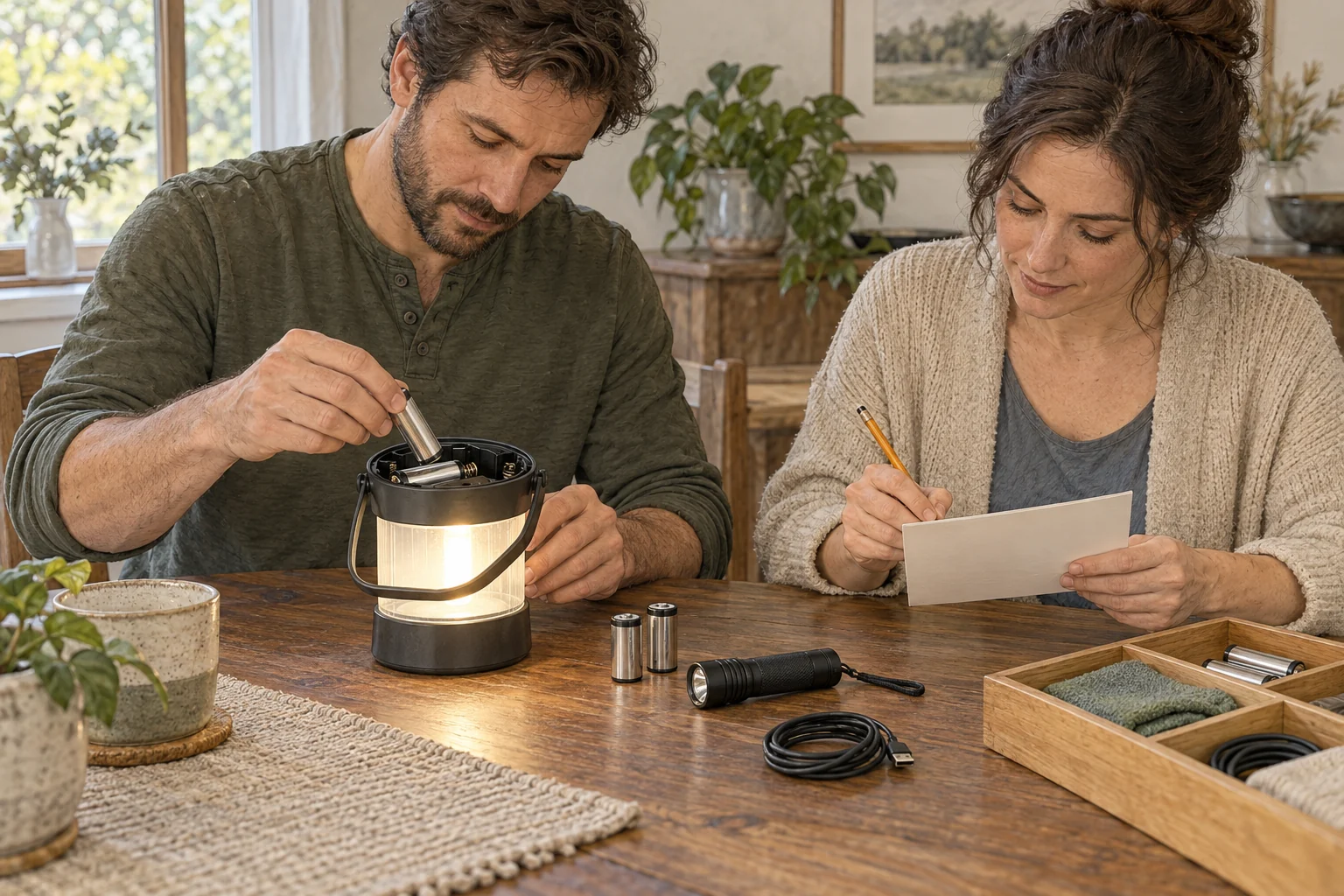
Equipment matters, but ownership is not readiness. A costly water filter does little good if no one knows what it removes, when it should be used, or how it is maintained. A generator never tested under load and a radio still sealed in its package may provide reassurance without providing dependable help.

Capability begins with understanding the problem. Equipment follows when it solves that problem safely and proportionately. Practice turns the equipment into something the household can rely upon. The best purchase is sometimes a tool. Sometimes it is training. Sometimes the best next step costs nothing.

05

It is not prediction.

No one can know precisely which disruption will occur, when it will begin, how long it will last, or what secondary problems it will create. Preparing separately for every imaginable disaster soon becomes expensive and confusing. It can also reward dramatic possibilities while ordinary vulnerabilities remain neglected.

Sound preparedness concentrates on consequences shared by many events: interrupted electricity, unsafe water, blocked transportation, limited communication, temporary displacement, reduced income, or difficulty obtaining food and medicine. A household becomes adaptable without claiming to know the future.

06

It is not hoarding.

Preparedness does not mean buying more than a household can store, maintain, rotate, understand, or reasonably use. Rooms filled with expired food and forgotten equipment do not demonstrate readiness. They show that accumulation has exceeded management.

Responsible storage is planned and finite. It favors food the household already eats, supplies that can be rotated, and quantities connected to a defined period of need. A reasonable household margin also reduces pressure on strained stores during a shortage and may make it possible to help someone who had less opportunity to prepare.

07

It is not isolation or absolute self-sufficiency.

Few people can produce all their food, provide their own medical care, repair every machine, generate all their energy, and manage every emergency alone. Complete independence is neither a realistic household standard nor the definition of resilience. Pride can become a liability when it prevents people from asking for help.

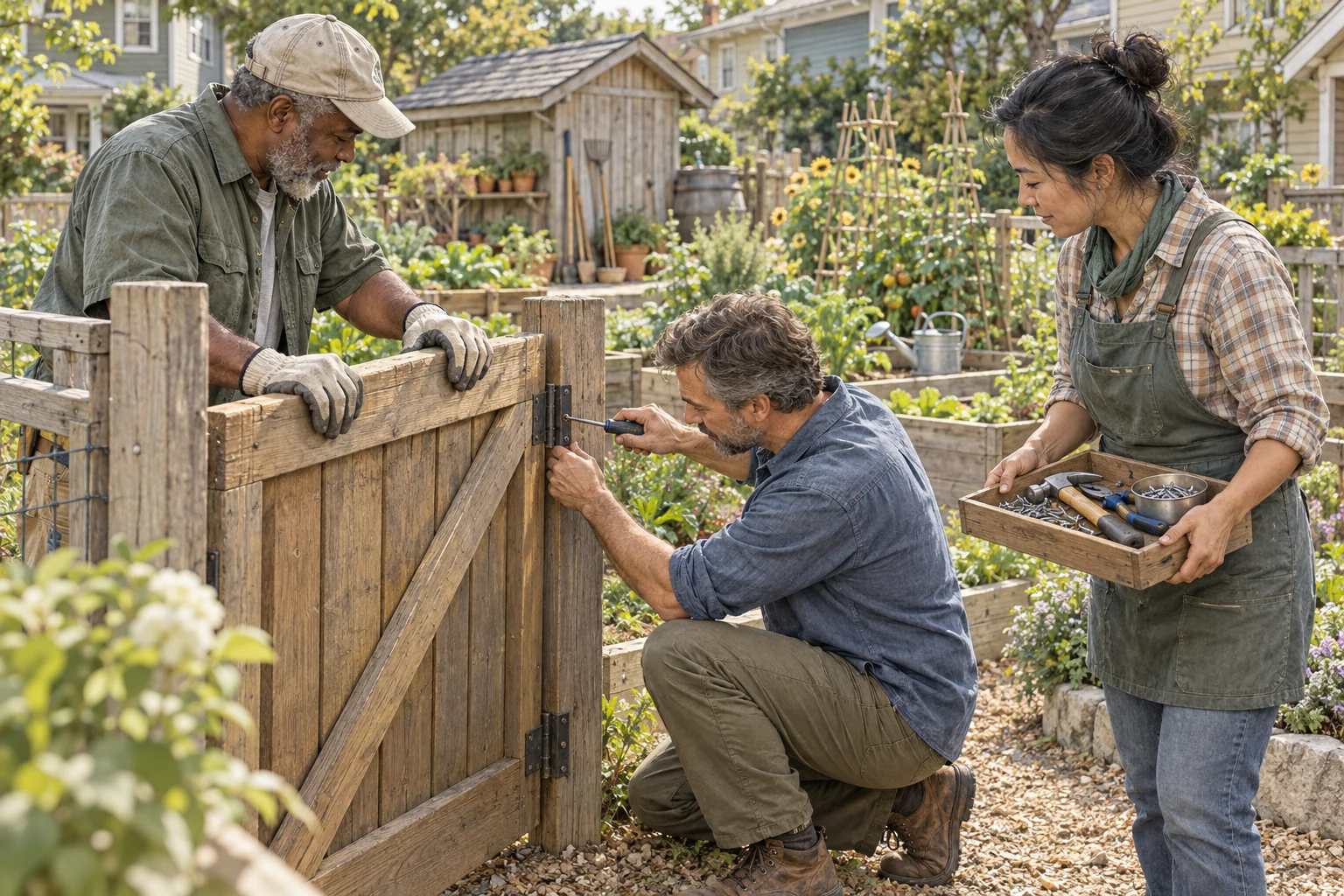
Real preparedness includes interdependence. It means knowing who nearby may need assistance, which neighbor has a useful skill, where public shelters and cooling centers are located, and how local warning systems work. Competent households and competent institutions reinforce one another. Community is not the failure of self-reliance. It is one of its strongest forms.

08

It is not perfection.

There will always be another skill to learn, supply to replace, or plan to improve. Households have limited money, time, storage, mobility, strength, and attention. Renters face different constraints from homeowners. Families with young children, older adults, disabilities, chronic illness, or animals require different arrangements.

Preparedness should work within those realities. One extra container of water is better than none. A written medication list is better than relying on memory. A working flashlight is better than an impressive list of equipment that has never been assembled. Readiness grows through manageable improvements repeated over time.

09

It is not control.

Preparedness cannot promise that nothing bad will happen. It cannot prevent every loss, remove grief, or make uncertainty disappear. Any system that offers complete safety is selling something no household can possess.

What preparedness can provide is a wider range of useful choices. It can reduce avoidable confusion, protect essential functions, and help people act with greater calm because some decisions have already been made. It does not eliminate vulnerability. It helps a household meet vulnerability with greater competence.

The useful test

Does it make the household steadier?

A preparedness decision should leave a household more capable without making ordinary life smaller. It should answer a recognizable need, fit within available resources, and be maintainable after the initial burst of interest has passed.

If a practice produces chronic fear, unmanaged accumulation, financial strain, suspicion of neighbors, or dependence on an identity, it deserves reconsideration. If it builds knowledge, preserves choices, reduces confusion, and makes assistance easier to give and receive, it is probably moving in the right direction.

Preparedness is not a fearful retreat from ordinary life. It is one of the ways we care for ordinary life.

Useful in an emergency. Useful on a Tuesday.