Our philosophy
Why preparedness.
What we mean by it.
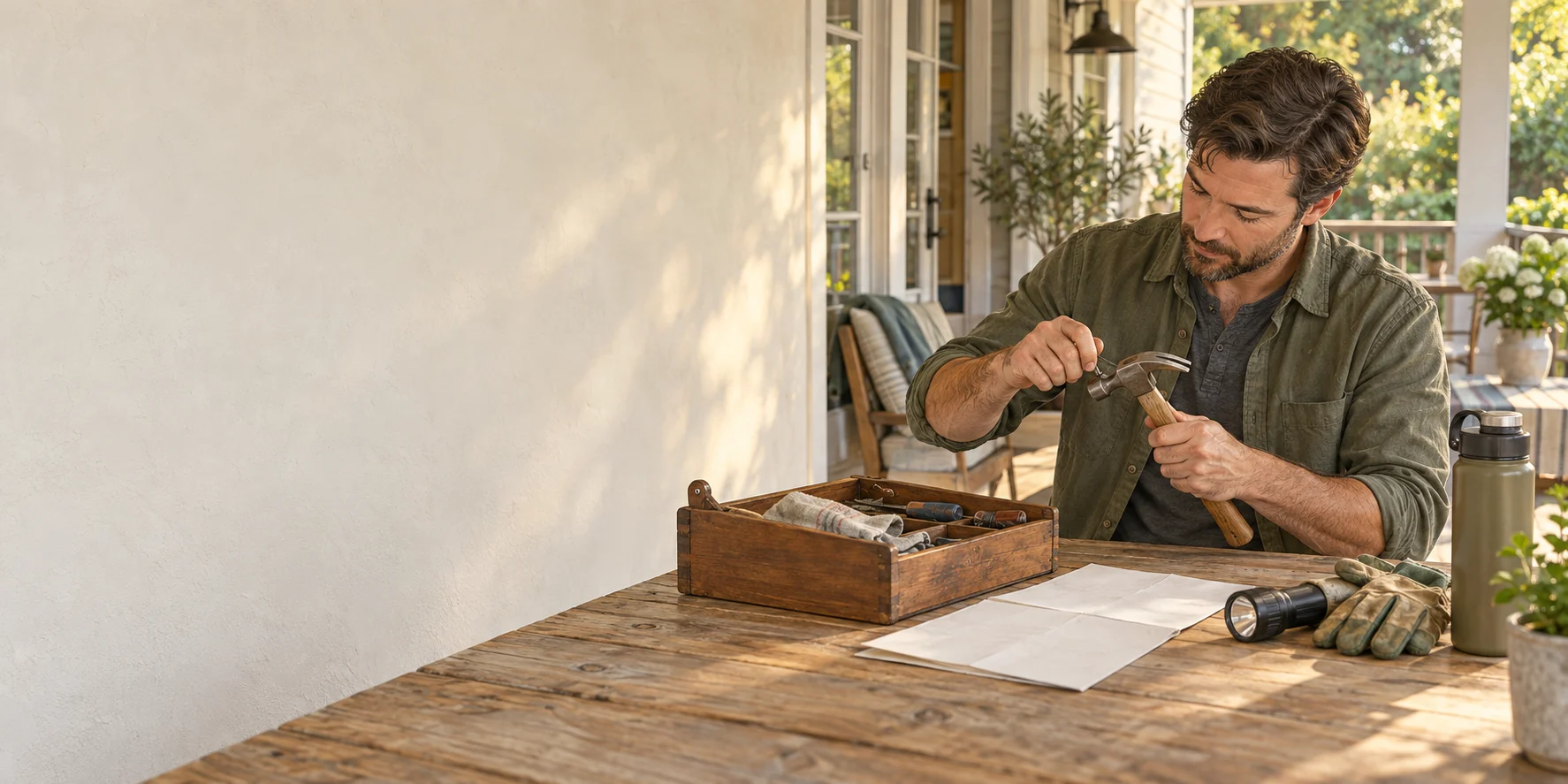
Preparedness is the practice of becoming more capable, more resilient, and more confident before conditions change. It is not fear. It is not identity. It is the quiet work of getting ready.
The premise
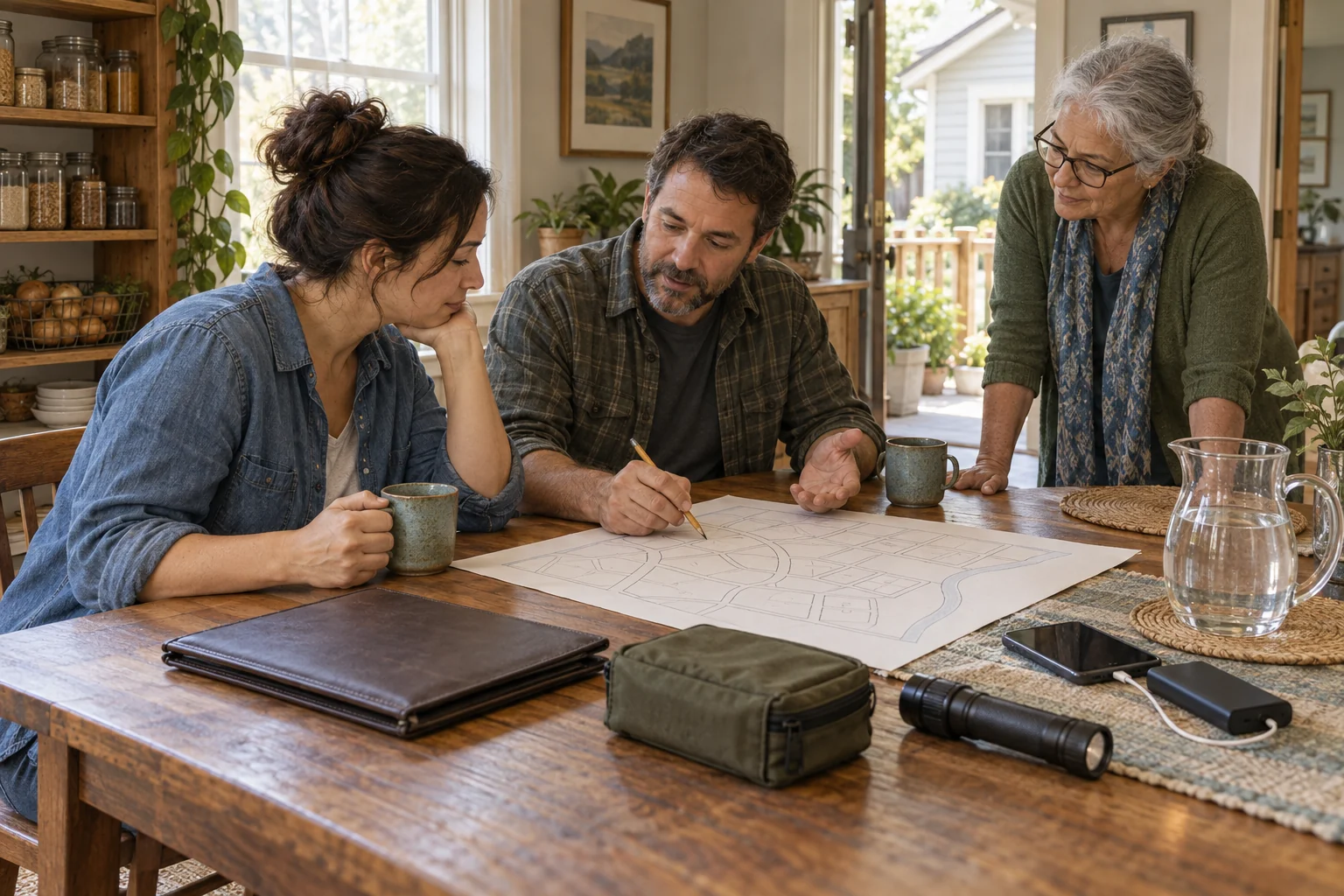
A household that has thought ahead handles disruption differently.
Every household depends on systems. Water pressure, grocery supply chains, electricity, fuel, communication networks, employment, insurance, roads. Most of the time, those systems work. When they do not, the gap between what a household needs and what it can provide for itself determines the outcome.
Preparedness is the work of closing that gap before it matters.
That work takes many forms. It is stored water and a way to treat more. It is a plan your family has rehearsed. It is knowing how to shut off your gas line. It is an emergency fund that can cover three months. It is a first aid kit and the training to use it. It is a generator, tested under load, with fuel safely stored. It is a relationship with your neighbors.
None of this requires believing that catastrophe is imminent. It requires believing that systems occasionally fail, weather changes, people lose jobs, and households that have prepared handle these things with less suffering, less cost, and less dependence on others.
That belief is not dramatic. It is ordinary. It is the same reason people carry spare tires, buy insurance, and teach their children to swim.
The distinction
What we do not mean.
Nine things preparedness is not: survivalism, fear, identity, a purchase, prediction, hoarding, isolation, perfection, or control. The single test that replaces all of them: does this decision leave the household steadier without making ordinary life smaller? Read the full page.
The vocabulary
Words that describe what we are building.
Preparedness sits in a family of related ideas. Each one names a different facet of the same goal: a household that can handle what comes.
Practical capacity
Being equipped and mentally primed to respond. Having the plan, the supplies, and the calm to act when conditions change.
Capability
Skills plus resources plus knowledge. A generator is equipment; knowing how to run it safely, when to start it, and how to maintain it is capability.
Solving problems with what is available. The Depression-era households we study in our Heritage series had far fewer products and far more resourcefulness.
Resilience
The capacity to absorb a hit and recover without losing essential function. Resilience is built long before the disruption arrives.
Mental and strategic
Anticipating future needs before they become urgent. Storing water before the advisory. Reviewing insurance before the storm.
Knowing your environment, understanding what is normal, and recognizing when conditions shift. A trainable skill, not an innate trait.
Careful, forward-thinking decisions. Building steadily rather than panic-buying. Choosing reliable over cheap. Maintaining before acquiring.
Discipline
Consistent habits that sustain long-term readiness. Rotating water on schedule. Checking the kit quarterly. Following through.
Applied skills
Practical hands-on skills: fire-starting, navigation, knot-tying, water sourcing, shelter construction. Learned through practice, not reading.
Meeting your own essential needs without outside support. It exists on a spectrum; most households benefit from building toward it incrementally.
Strengthening systems against failure. A home hardened against storms. A budget hardened with savings. A communication plan hardened with backup channels.
Building systems that function over weeks and months. A garden that produces year after year is more sustainable than a store of supplies that runs down.
Character and resolve
Strength under adversity. What sustains a household through a week without power, a months-long recovery, or the steady work of building self-reliance over years.
Focus on what you can control. Prepare for what is likely rather than fear what is possible. Maintain composure so those around you can function.
Agency
The power and confidence to act on your own decisions. A person with a plan, supplies, skills, and practice does not need to wait for instructions.
Independence
Freedom from dependence on systems for essential needs. Full independence is rare; meaningful independence is achievable by every household.
Our standard
Every page on this site should lower your heart rate.
The preparedness space is full of content designed to make you afraid, then sell you something. We have a different standard.
Every article, guide, checklist, and product recommendation on New World Survival is measured against four questions. Does it lower the reader's heart rate or raise it? Does it leave them more capable or more anxious? Does it teach a skill or sell an identity? Would a calm specialist recognize this as their own tone?
If the answer to any of those questions is wrong, the content is rewritten until it is right.
The result is a site where a person who checks in regularly becomes steadily more competent, more confident, and more comfortable with the idea that disruptions happen and can be handled. Not with expensive gear. Not with extreme measures. With knowledge, practice, and the kind of quiet craft that previous generations considered ordinary.
Where to start
Four paths into the work.
Preparedness is broad. Pick the path that fits where you are right now. If the whole idea is new to you, start with our plain guide to what prepping is.
The First 72 Hours
The basics. Water, communication, emergency kits, utility shutoffs. Where every household should begin.
Self-Reliance Library
Twelve domains of practical independence: water, food, energy, shelter, tools, skills, and more.
Your Local Risks
The hazards that matter where you live. State-level profiles, hazard guides, and local resources.
My Readiness
A guided checklist that builds your household plan step by step, from beginner through advanced.
Keep reading
What to read next
What Is Prepping?
A calm, practical guide to what household preparedness actually means and where to begin.
How to Prioritize Your Preparedness
Most households cannot do everything at once. A framework for deciding what matters first.
Prepare for the Household You Actually Have
Your medications, pets, budget, and living situation shape everything. Start from reality.
Getting Started with Preparedness
The full on-ramp. Five guides that cover the how, the why, and the order of operations.