
Emergency decisions
When to stay. When to leave.
Most emergencies do not require you to abandon your home. When one does, the households that fare best have already decided their thresholds in calm weather. This is how to build that decision before the forecast arrives.
The default position
Your home is usually your strongest position.
You know the layout, where the supplies are, and how to move through it in the dark. Your neighbors are nearby. Your medications, tools, and food are at hand. Roads can become hazards of their own during a crisis: congested, out of fuel, or blocked by the same event you are trying to escape.
Sheltering in place is the right choice in the majority of emergencies. The exception is when a specific, foreseeable hazard can overwhelm the home itself or cut off your ability to leave later. In those cases, leaving early is the clearer path.
The goal is not to react out of fear. It is to decide early, with clear criteria, so that either path stays manageable.
Shelter in place
When staying is the right call
Staying home is appropriate when the threat is wind rather than water, when you are outside designated flood and surge zones, and when your household has what it needs to manage several days without outside support.
Solid structure, safe location
You live in a well-built home outside designated flood and storm surge zones. Mobile or manufactured homes are a different calculation: they are not built to handle the wind loads that permanent structures can.
Wind, not water
The primary threat is high wind, not flooding, surge, or fire. Inland households in solid construction often shelter safely through Category 1 and 2 storms. The calculus shifts sharply when surge or flood risk enters the picture.
Supplies in place
You have water, shelf-stable food, lighting, a way to cook, and basic first aid for at least several days. No household member depends on continuous grid power for life-sustaining equipment without a reliable backup.
No mandatory order
Local officials have not issued a mandatory evacuation for your specific zone. When a mandatory order is issued, first responders will not risk their lives to reach you during the storm. That is the practical weight of the order.
Ability to monitor
You can stay informed without grid power: a battery or hand-crank weather radio, charged phone, or vehicle radio. Conditions change. The ability to reassess and leave if needed is part of the stay decision.
Hazardous material releases
Shelter-in-place is sometimes the correct response to a nearby chemical release. Close windows and exterior doors, turn off HVAC systems, and listen for official guidance. Leaving can increase exposure when outdoor air is the hazard. Follow official instructions.
Preparing to stay is not the same as deciding to stay. Keep the home stocked, the weather radio charged, and one ear on official guidance. Conditions that make staying reasonable can shift. Have criteria for when that changes.
Evacuation
When leaving is the clearer choice
Evacuate when the hazard can overwhelm the structure of your home or cut off your ability to leave later. Timing is the critical variable. The households that fare worst are the ones that decided too late.
Hurricane and coastal storm
Storm surge is the primary cause of hurricane fatalities.
Leave when:
- You are in a designated storm surge or flood evacuation zone, particularly zones A or B
- Officials issue a mandatory evacuation order for your zone
- You live in a mobile or manufactured home
- A household member requires continuous power for medical equipment without reliable backup
- The storm is forecast as Category 3 or higher with significant surge into your area
Key timing guidance:
Leave 24 to 48 hours before arrival. Waiting until official orders are issued often means empty fuel stations, heavy traffic on evacuation routes, and no lodging. Overnight or early-morning departure is quieter.
The established coastal framework: hide from the wind, run from the water. Storm surge rises faster than most people expect and becomes unsurvivable before it looks dangerous.
Wildfire
Late evacuation is the leading cause of civilian wildfire deaths.
Leave when:
- Your zone receives a Warning or Evacuation Order under the Ready, Set, Go framework
- Fire is clearly approaching and wind conditions are driving it toward you
- Smoke is beginning to reduce visibility on your exit routes
- Any doubt exists about whether your exit route will remain open
Why timing matters more here:
Fire moves and changes direction with the wind. A fire that is miles away can reach a neighborhood in minutes under certain conditions. Roads close. Smoke reduces engine performance and visibility. Embers travel ahead of the fire line.
Do not wait to see flames. Leave when your zone is designated for preparation or watch, while you still have clear roads and breathable air. Structures can be rebuilt. Do not stay to defend the house unless you are specifically trained, equipped, and have created substantial defensible space.
Flooding and flash floods
Six inches of moving water can knock a person down. Two feet can carry a vehicle.
Leave when:
- You are in a FEMA-designated flood zone with a warning issued
- Water is already entering the home or approaching rapidly
- Officials order evacuation before roads become impassable
Never:
- Drive through flooded roads. The depth is impossible to judge. Turn around, don't drown.
- Walk through moving flood water, even ankle-deep.
If leaving is no longer safe:
Move to the highest floor of the building. Do not enter a closed attic without a tool to break through the roof if water continues rising. Bring a flashlight, phone, and something to signal your location.
Flash floods can develop within minutes of heavy rain upstream. Monitoring the National Weather Service forecast and alerts gives the earliest warning.
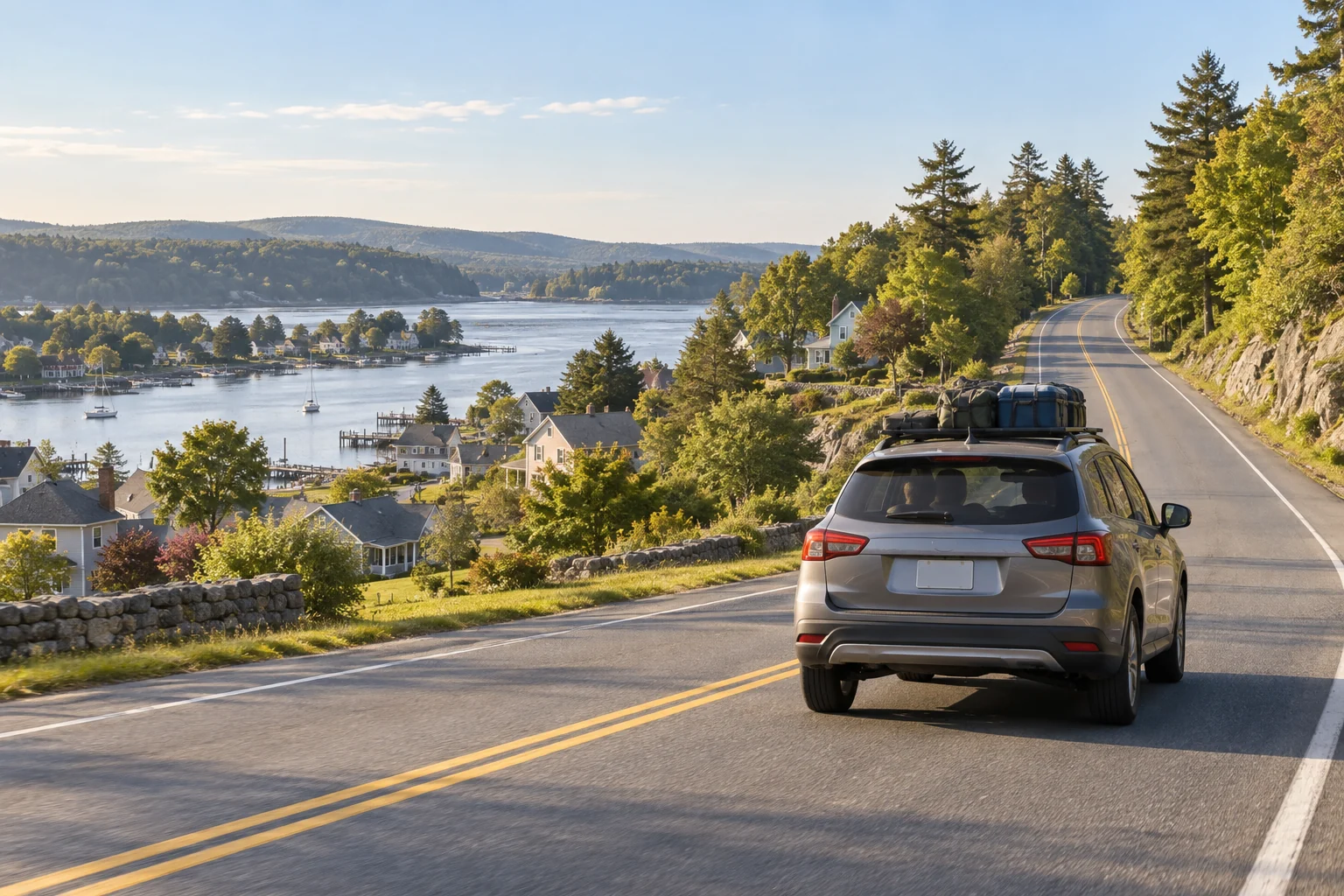
Before the storm season
Build your decision in calm weather.
The people who decide under stress, without criteria already written down, are the ones who wait too long. The decision is easiest when you are not making it in real time.
1. Know your zone
Look up your official evacuation zone now, before any storm. In coastal states, zones are lettered (A, B, C) or numbered. Zone A or 1 is the highest risk. Search "[your county] evacuation zones" or check your county emergency management office website. Write it down.
2. Set your personal threshold
Write one sentence: "We leave when ___." Fill it in for each hazard that applies to your area. For example: "We leave when a Category 3 or higher is forecast within our cone and our zone is under a mandatory order." For fire: "We leave when our zone moves to Warning." When conditions meet the written threshold, the decision is already made.
3. Account for every person and animal
Elderly household members, people with mobility limitations, young children, medical equipment, and pets all add time and complexity. Factor those into the threshold: households with additional needs leave earlier, not at the same time as households without them.
4. Plan the route and destination
Know at least two routes out of your area. Print a paper map; GPS and cell service are unreliable during mass evacuations. Identify where you are going: a family member, a hotel booked in advance, or a friend farther inland. You do not need to travel hundreds of miles. Sometimes 20 to 30 miles of elevation or distance from the hazard zone is enough.
5. Handle fuel and the go-kit now
Keep vehicles above half a tank as a year-round habit during hazard season. After a mandatory order is issued, fuel stations along evacuation routes are often empty within hours. A compact go-kit with medications, documents, phone charger, water, and basic clothing means the vehicle is loaded in minutes, not hours.
6. Reassess once during the season
Walk through the plan once at the start of hurricane or fire season. Confirm the go-kit is still current, medications are stocked, and every household member knows the threshold and the destination. This takes 15 minutes and removes most of the uncertainty when an event arrives.
The full criteria list
Five questions to answer before the season starts
- 1.What is my official evacuation zone for each relevant hazard?
- 2.Under what specific conditions (storm category, zone order, fire proximity) will we leave?
- 3.Does anyone in the household have medical, mobility, or equipment needs that require leaving earlier?
- 4.Where are we going, and what is the backup route if the primary is congested?
- 5.What must come with us, and where is it right now?
Additional needs
When the household has additional needs
The core principle does not change when the household includes elders, young children, or people with disabilities. The planning requirement simply becomes more deliberate. Every additional need that is addressed in calm weather is one less problem in a moving vehicle during a storm.
Elders and seniors
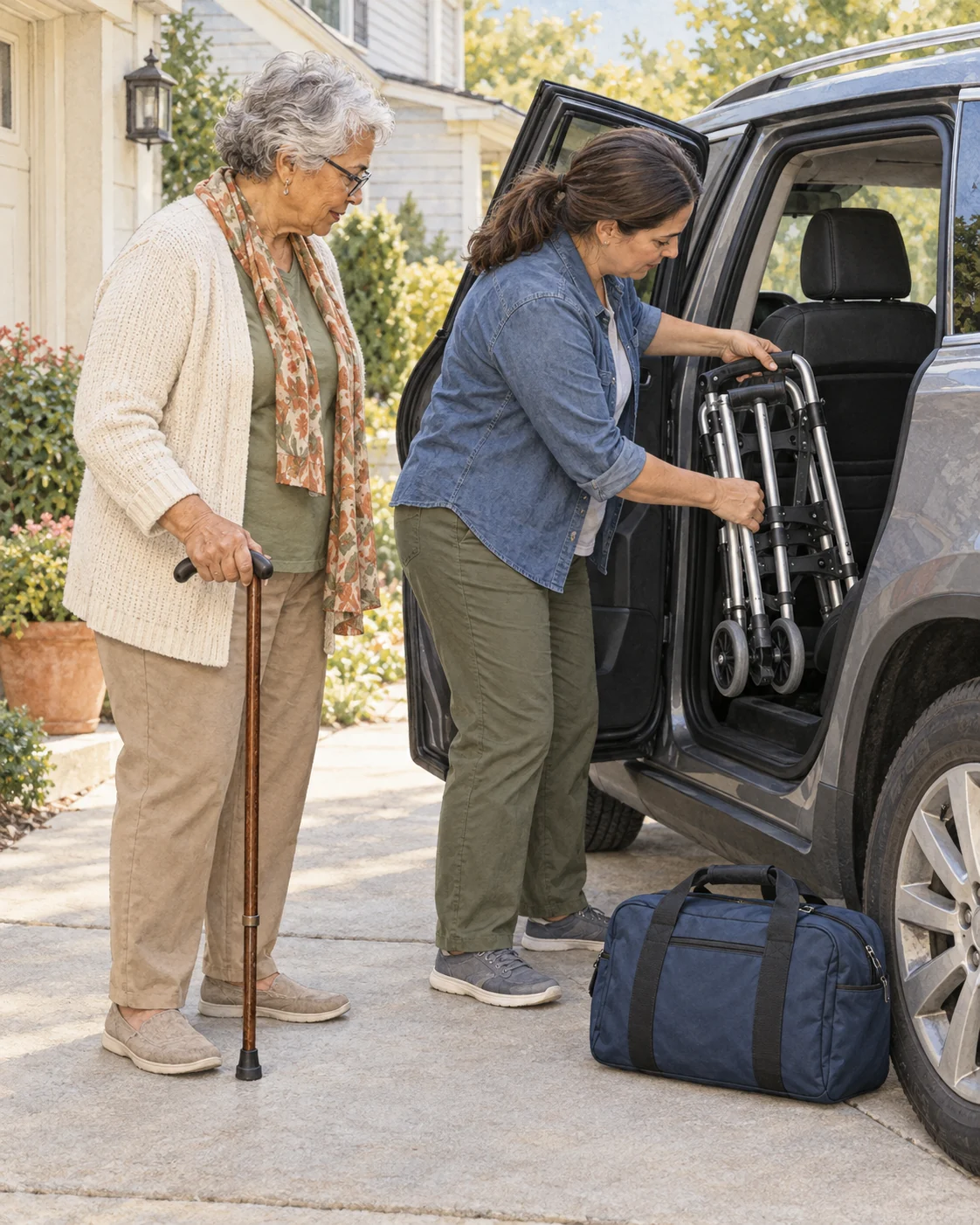
Packing and loading take longer. Plan to leave earlier than the rest of the household would. Gather prescription medications in advance (at least a week's supply with written names, dosages, and prescribers). Account for medical equipment that requires power: oxygen concentrators, CPAP machines, and electric wheelchairs need backup batteries or portable tanks. Bring written identification that includes medical conditions and emergency contacts. Cognitive changes increase the chance of confusion in unfamiliar settings; bring familiar items and keep a familiar caregiver present.
Many counties maintain voluntary registries for people who may need evacuation assistance. Registering in advance helps local emergency management reach you if roads become impassable.
Young children
Ensure proper car seats or boosters are installed and ready. Pack age-appropriate food, formula, diapers, and comfort items: a familiar blanket or stuffed animal reduces stress more effectively than most other interventions during a disruption. Explain the plan in calm, honest terms without unnecessary detail. Keep routines (meals, sleep cues) as consistent as circumstances allow.
Infants and toddlers require more packing volume and more frequent stops. Build extra time into the departure schedule.
Mobility and disability
Confirm the vehicle can accommodate wheelchairs, walkers, or other mobility aids. Identify accessible exit routes from the home and the evacuation destination. Keep a written medical summary that includes diagnoses, allergies, medications, and provider contacts; both paper and digital copies.
Anyone using ventilators, feeding pumps, or similar equipment needs a plan for continuous operation during travel. Identify backup power sources in advance and confirm the destination can support them. Sensory supports (noise-canceling headphones, familiar textures, written communication cards) help manage overload in unfamiliar or loud environments.
Pets and animals
Service animals are generally permitted in public shelters. Household pets are usually not. Arrange pet-friendly lodging, boarding, or a friend's home before the season starts. Pack food, water, carriers, leashes, medications, and vaccination records. Factor the time needed to load animals into the departure schedule; never leave them in conditions that would be unsafe for people.
Limited transportation
If the household does not have a reliable vehicle, arrange rides with neighbors, family, or local services before any event occurs. Many counties have transportation assistance programs for evacuation; check with your county emergency management office. Do not wait until orders are issued to make these arrangements.
The full picture
Prepare for both paths.
You do not choose one and ignore the other. Keep the house stocked for disruption: water, food, lighting, first aid, and a way to stay informed without grid power. At the same time, maintain a compact kit and a simple plan for leaving cleanly.
Home readiness
- Water (one gallon per person per day, minimum two weeks)
- Shelf-stable food for the full household including dietary needs
- Lighting that does not require grid power
- A way to cook without electricity or gas
- Basic first aid and a supply of regular medications
- Battery or crank weather radio
Go-kit and departure readiness
- Vehicle kept above half a tank during hazard season
- Medications, documents, phone chargers in one location
- Paper maps of primary and backup routes
- Destination confirmed and contact number written down
- Cash for situations where cards don't work
- Two to three days of food and water for transit
Related guides
The Long View
Why connected households outlast isolated ones, and what the research says about who recovers.
Hurricane Preparedness
Before, during, and after guidance for hurricane season, including surge zone resources.
Wildfire Preparedness
Ready, Set, Go planning, defensible space, and evacuation timing for wildfire zones.
Flood Preparedness
Flash floods, NFIP zones, and the decisions that keep households safe from moving water.
Getting Home
When transit and roads fail. Routes, go-bags, and the plan for reaching home on foot.
When It All Falls Apart
A calm guide to the disruptions that actually happen and what genuinely carries a household through.